
Coyote Basin
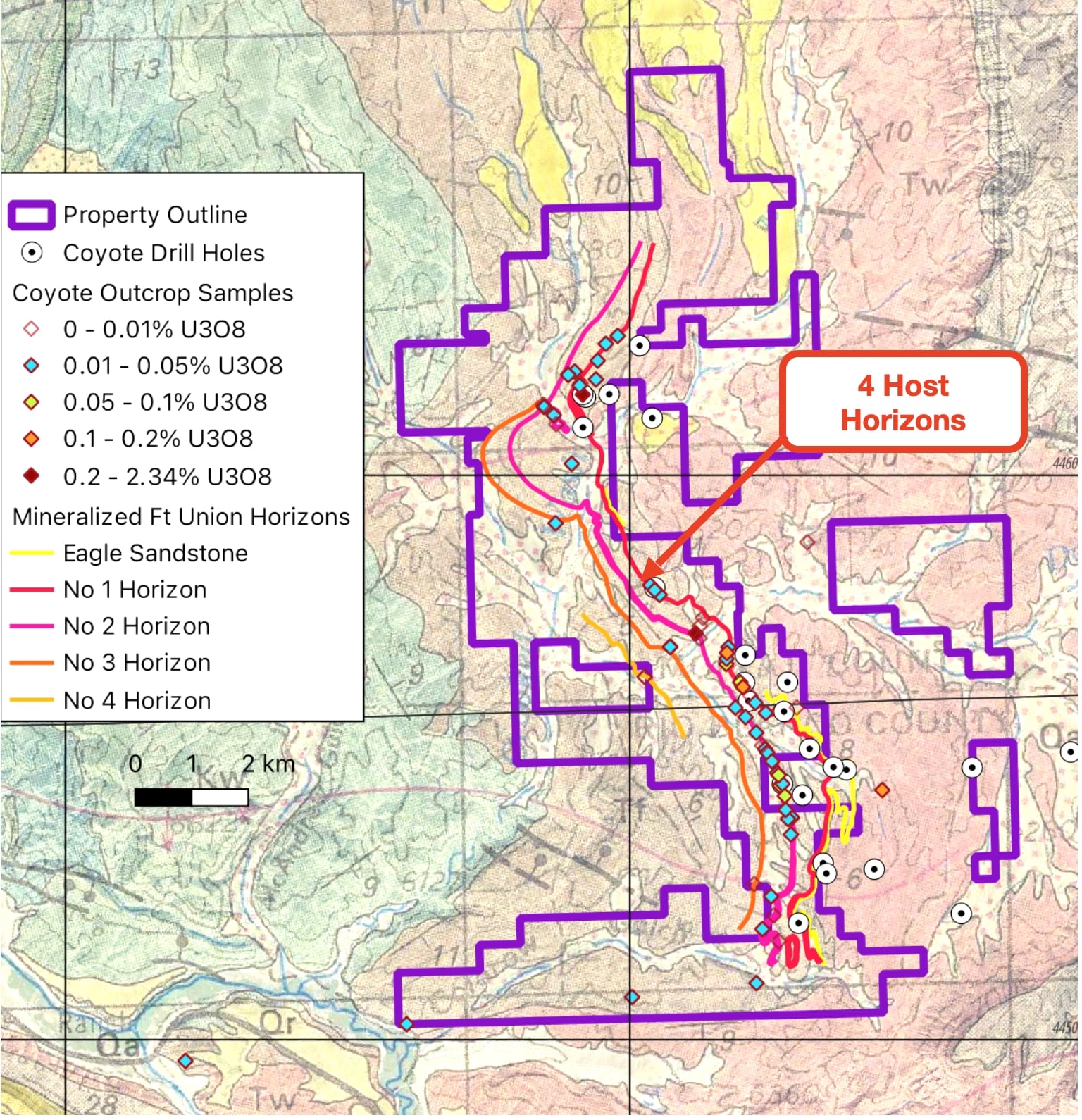
The Coyote Basin Project is Homeland Uranium's carbonaceous shale-hosted uranium project located in northwestern Colorado, situated within the northeast region of the Colorado Plateau. The Colorado Plateau is host to numerous uranium deposits across Colorado, Utah, Arizona and New Mexico. The project also shares favorable stratigraphic units, the Fort Union and Wasatch Formations, that have historically hosted significant sandstone and carbonaceous uranium deposits within the highest uranium-producing state, Wyoming.
In its September 30, 2006 SEC quarterly financial filings, Energy Metals Corporation reported historical uranium-vanadium resources on the Coyote Basin Project. This historical work provided the foundation for Homeland's systematic exploration strategy.
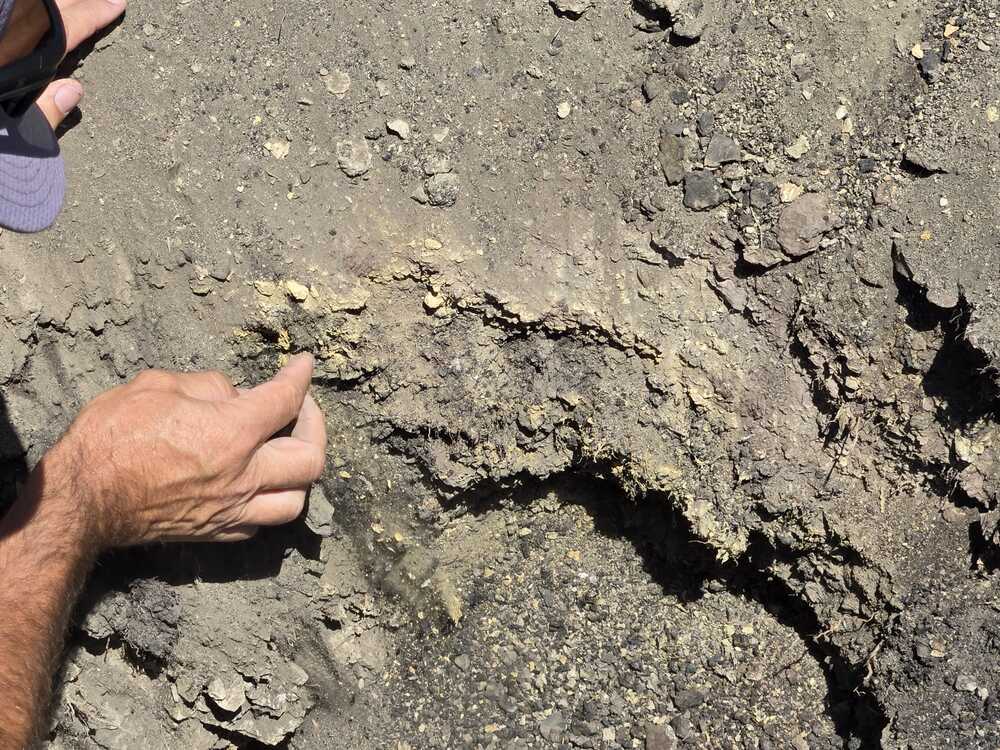
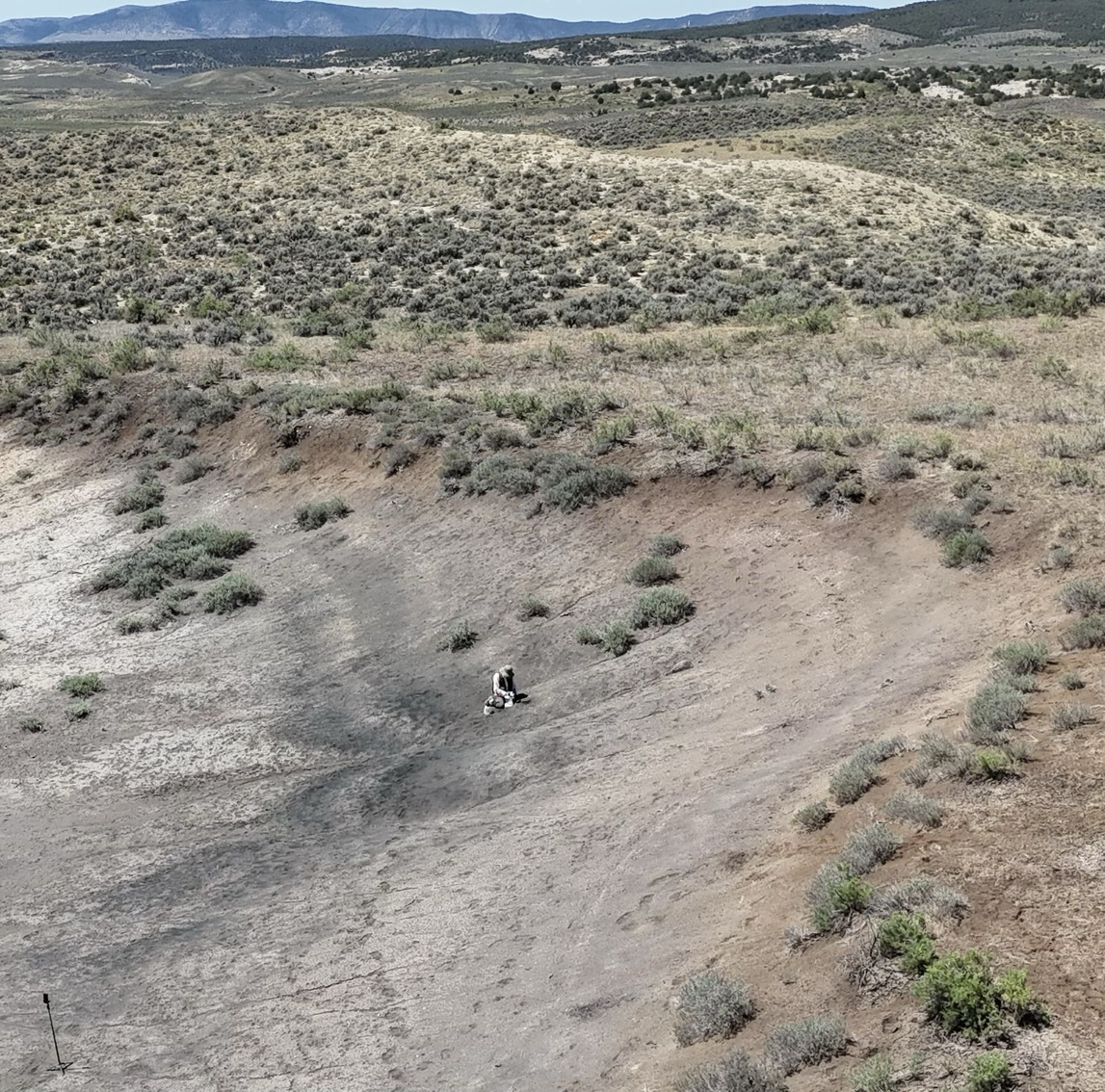
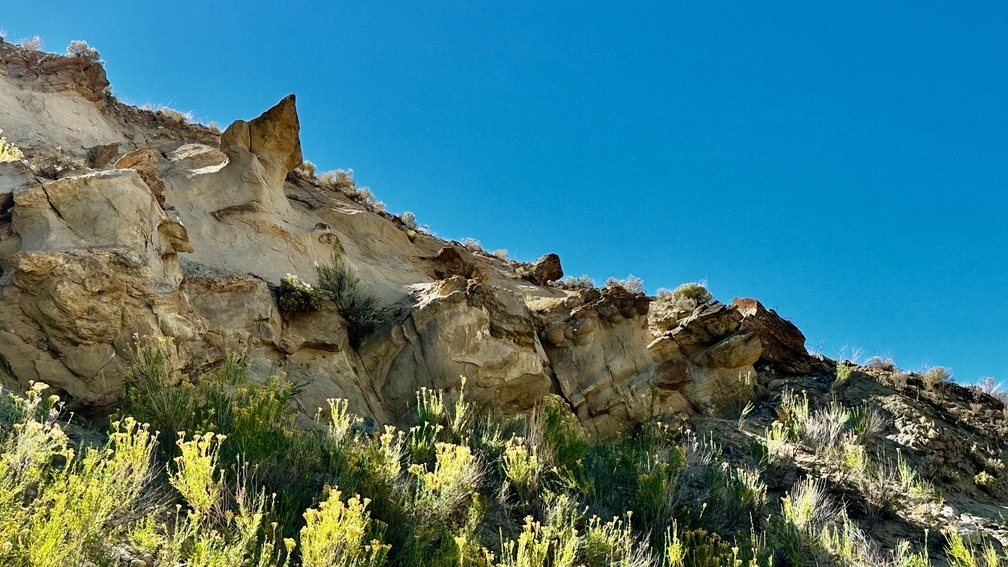
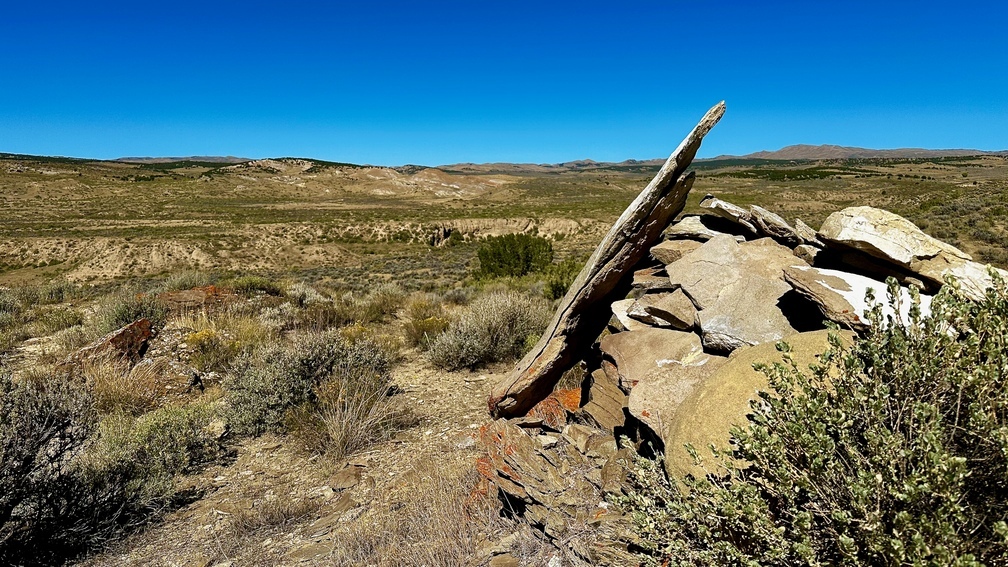
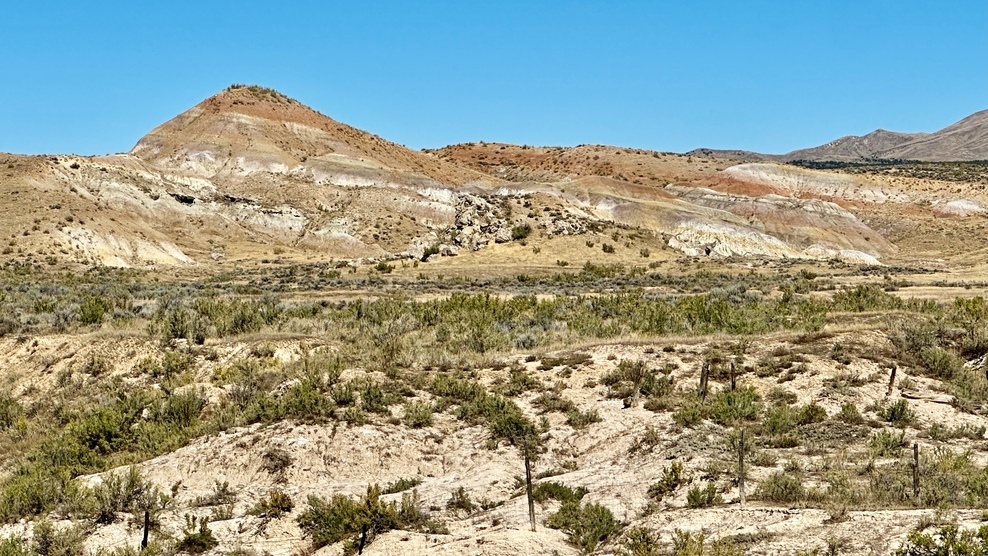
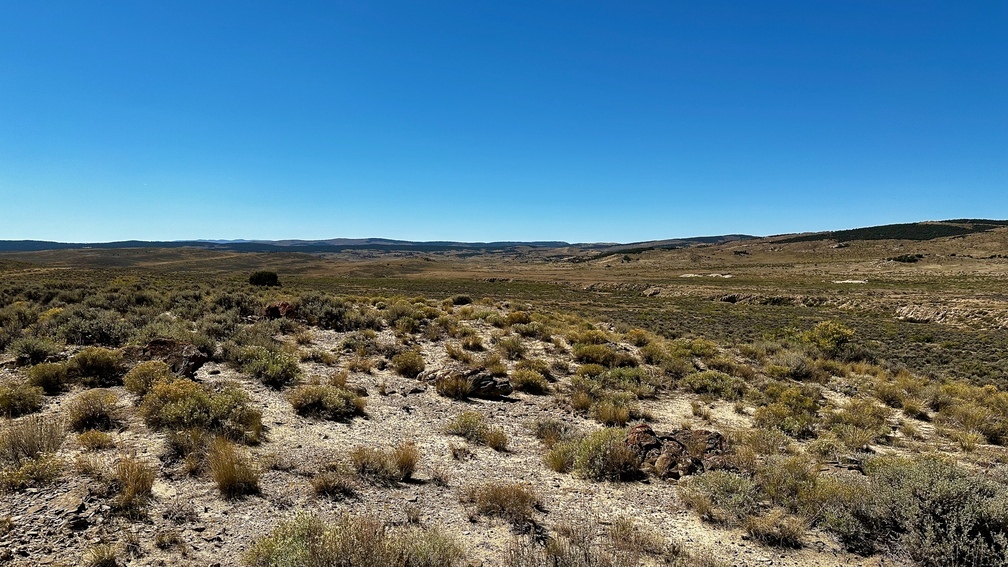
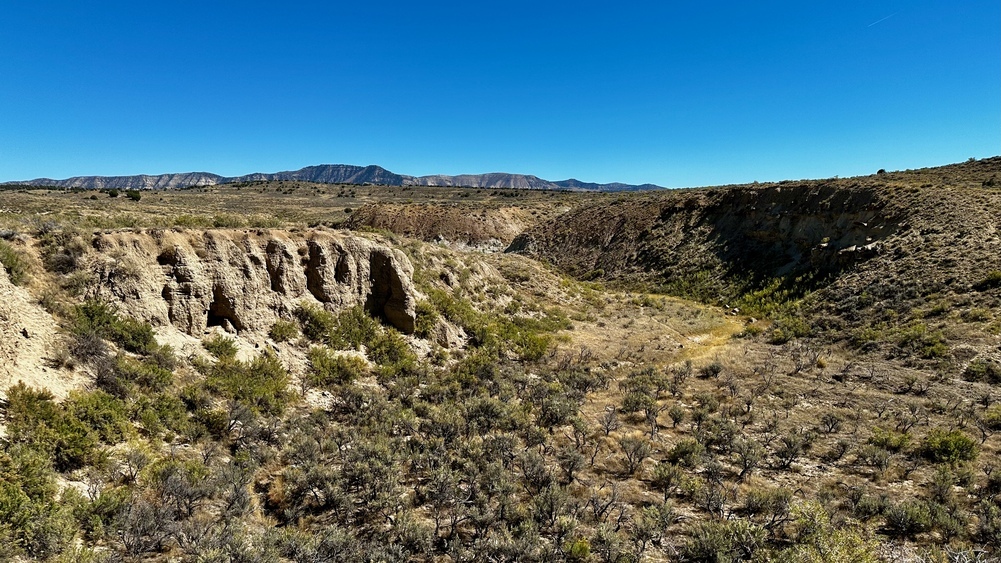
Homeland's Phase I surface mapping and prospecting program completed during the summer of 2025 confirmed the presence of four favorable stratigraphic horizons exhibiting anomalous radioactivity. Based on these results, Horizons 1 and 2 were selected as priority drill targets.
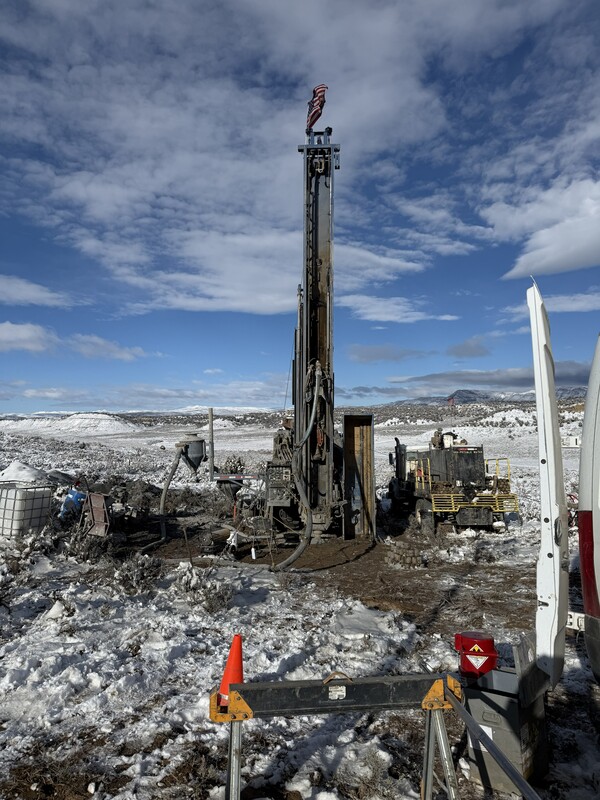
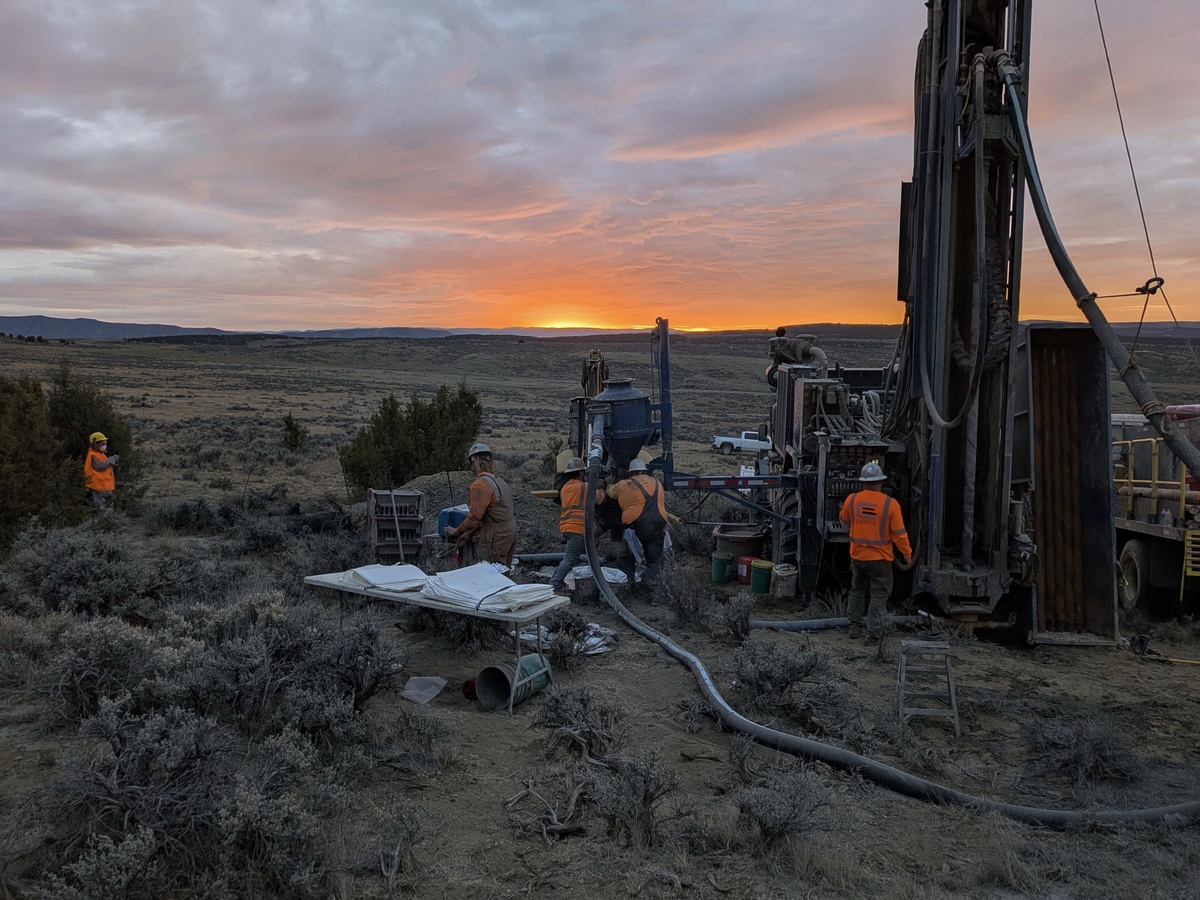
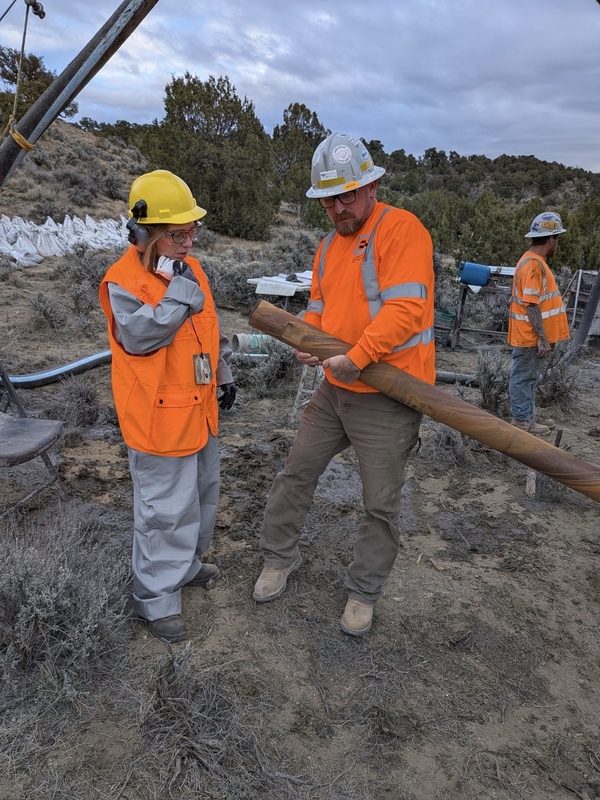
Homeland's Phase II program, conducted between November 2025 and February 2026, consisted of 33 reverse circulation drill holes totaling 17,792 ft (5,423 m). Laterally persistent zones of radioactivity were encountered in the majority of drill holes completed during the program. However, preliminary geochemical results from the initial batch of samples did not demonstrate a corresponding increase in uranium concentrations.
The Company is currently evaluating the relationship between the observed radioactivity and geochemical results, including potential geological and geochemical controls on uranium distribution within the target horizons. While this work continues, Homeland intends to prioritize advancement of the nearby Cross Bones Project, where historical drilling has demonstrated uranium mineralization and provides a complementary opportunity for near-term exploration success.
On the Ground
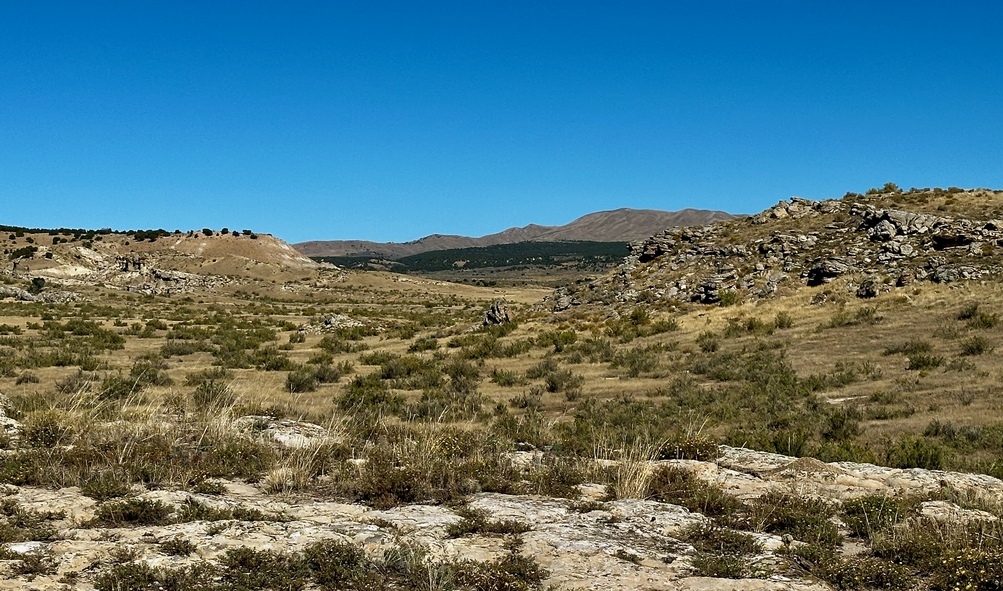
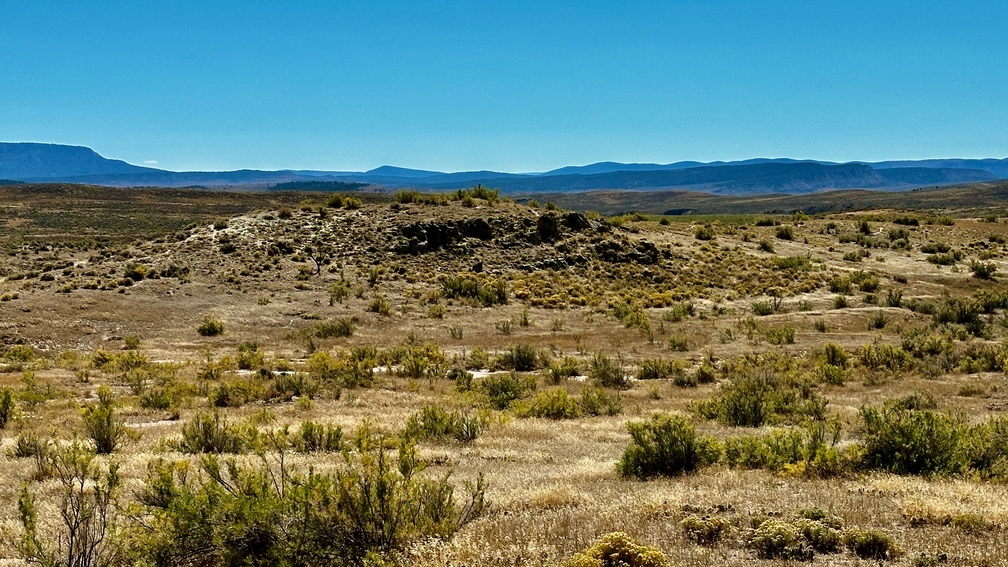
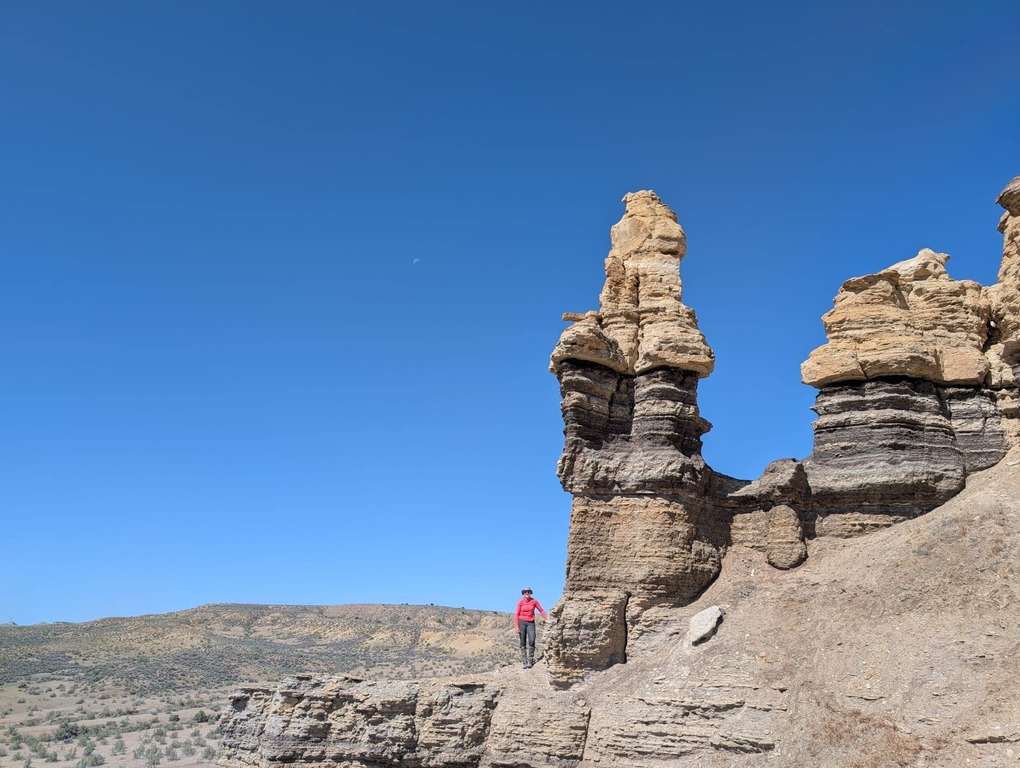
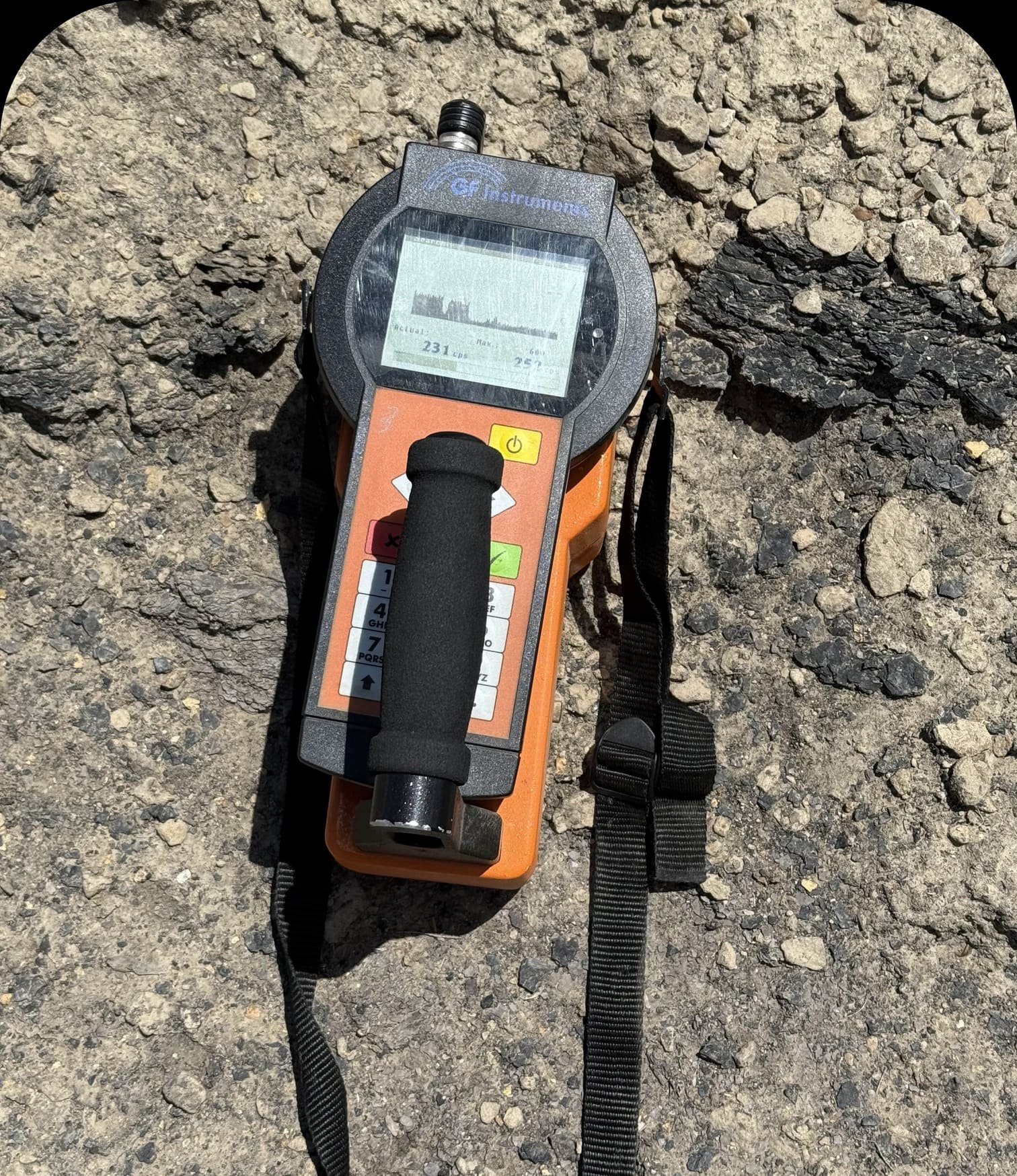
*The Company is not treating the Coyote Basin historical resource estimate as current mineral resources and the reader is cautioned not to rely on either of these estimates. A Qualified Person (as defined under National Instrument 43-101 - Standards of Disclosure for Mineral Projects ("NI 43-101")) has not done sufficient work to classify the historical resources from the project as current mineral resources or mineral reserves nor can the Company or the Qualified Person comment on the quality or verify the data obtained from the assay sampling programs from the project that were used to determine these historical resource estimates, as such information was not included in the historical reports acquired by Homeland. The Company is not treating the historical resource estimate as current mineral resources or mineral reserves and the Company and the Qualified Person is unable to compare the historical resource estimate to the CIM's current resource classification system at this time. The Coyote Basin Project any future NI 43-101 mineral resource estimate will require considerable further evaluation which will include completion of the Phase I drilling program and may require addition drilling to follow-up Phase 1 results.